

Unlocking the Power of Long Tail Keywords: How to Dominate Search Results and Skyrocket Your Traffic Even with a Limited Budget!
Long Tail Keywords – What are they?
Long tail keywords are longer, more specific phrases that people use when conducting a search online. These phrases typically consist of three or more words and are more targeted than shorter, more generic search terms.
For example, “best running shoes for women with flat feet” is a long tail keyword, while “running shoes” is a shorter, more generic keyword.
Long tail keywords are often used by searchers who have a specific goal or need in mind and are more likely to result in targeted traffic to a website.
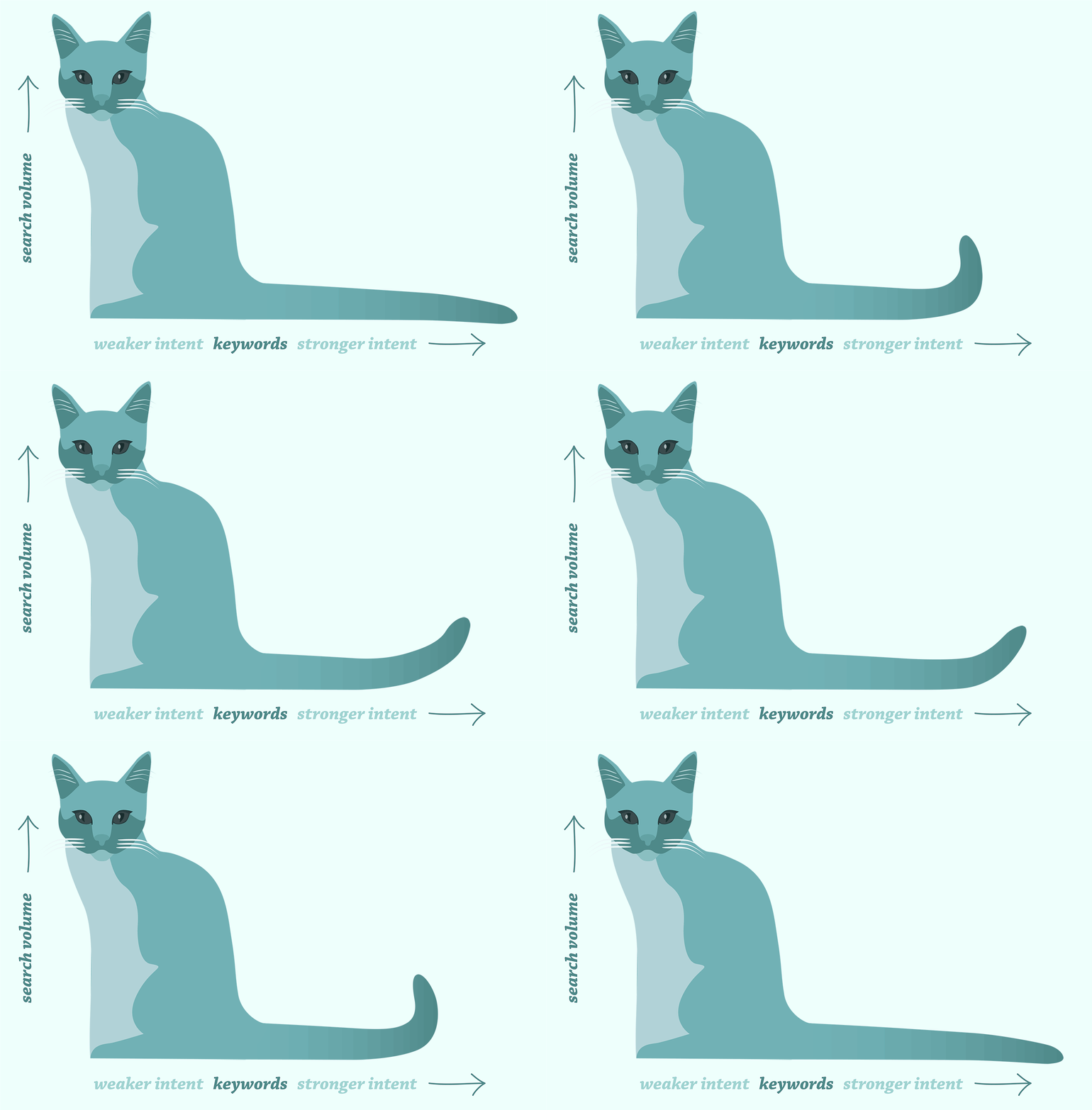
Who benefits most from using long tail keywords?
We work with a lot of businesses who have small budgets and big dreams (and why shouldn’t they?!)
Ranking for most shorter keyword phrases is not an option due to marketing budget constraints. And this is where we suggest the use of longer tail keywords as these are easier to rank for.
There are several groups of people/businesses that we have found to benefit from using long tail keywords. So we thought we’d share them here as well as why they benefit:
Small businesses: Small businesses can use long tail keywords to better target their audience and compete with larger companies. By focusing on more specific phrases, they can attract visitors who are more likely to convert into customers.
Niche websites: Websites that focus on specific topics or niches can benefit from using long tail keywords to attract targeted traffic. For example, a website about vegetarian recipes could use long tail keywords like “easy vegetarian recipes for beginners” to attract visitors who are interested in that specific topic.
Bloggers: Bloggers can use long tail keywords to attract readers who are interested in specific topics. By using more targeted phrases, they can attract readers who are more likely to engage with their content and share it with others.
E-commerce websites: E-commerce websites can use long tail keywords to attract visitors who are ready to make a purchase. By using more specific phrases like “buy red high heels online” they can attract visitors who are further along in the buying process.
Overall, anyone who wants to attract targeted traffic to their website can benefit from using long tail keywords. By focusing on more specific phrases, they can attract visitors who are more likely to engage with their content and take the desired action.

Do longer tail keywords get more conversions than regular keywords?
In general, longer tail keywords tend to have a higher conversion rate than shorter, more generic keywords. This is because longer tail keywords are more specific and tend to attract visitors who are further along in the buying process and have a clear intent.
For example, if someone searches for “running shoes”, they may just be looking for information on different types of running shoes, whereas if someone searches for “best running shoes for women with flat feet”, they likely have a specific need and are more likely to make a purchase.
Additionally, longer tail keywords tend to have less competition than shorter keywords, which means that websites that rank for them can attract more targeted traffic and have a better chance of converting that traffic into customers.
However, it’s important to note that the effectiveness of any keyword, including long tail keywords, depends on a variety of factors, such as the quality of the website, the relevance of the content, and the user experience. So, while longer tail keywords can be effective for improving conversions, they are just one piece of the larger puzzle of SEO and online marketing.
Where can I check and get variations on long tail keywords from regular keywords??
There are several keyword research tools available that can help you identify long-tail variations of regular keywords. Some popular ones include:
Google Keyword Planner: This is a free tool provided by Google that can help you generate keyword ideas and show you search volume data for each keyword.
SEMrush: This is a paid tool that offers keyword research functionality and can show you long-tail variations of your target keywords, along with data on search volume, competition, and more.
Ahrefs: This is another popular paid tool that offers keyword research features and can help you discover long-tail variations of your target keywords, along with search volume data and other useful metrics.
Keyword Tool: This is a free tool that can generate long-tail variations of your target keywords by using Google’s autocomplete feature.
UberSuggest: This is a free tool that can help you find long-tail variations of your target keywords and provide data on search volume, CPC, and competition.
By using these tools, you can generate a list of long-tail variations of your target keywords, which can help you optimise your content for more specific search queries and drive more targeted traffic to your website.
What some of our happy customers have to say about us on Google


Follow us on Facebook
[wp_social_ninja id=”987502840″ platform=”facebook_feed”]